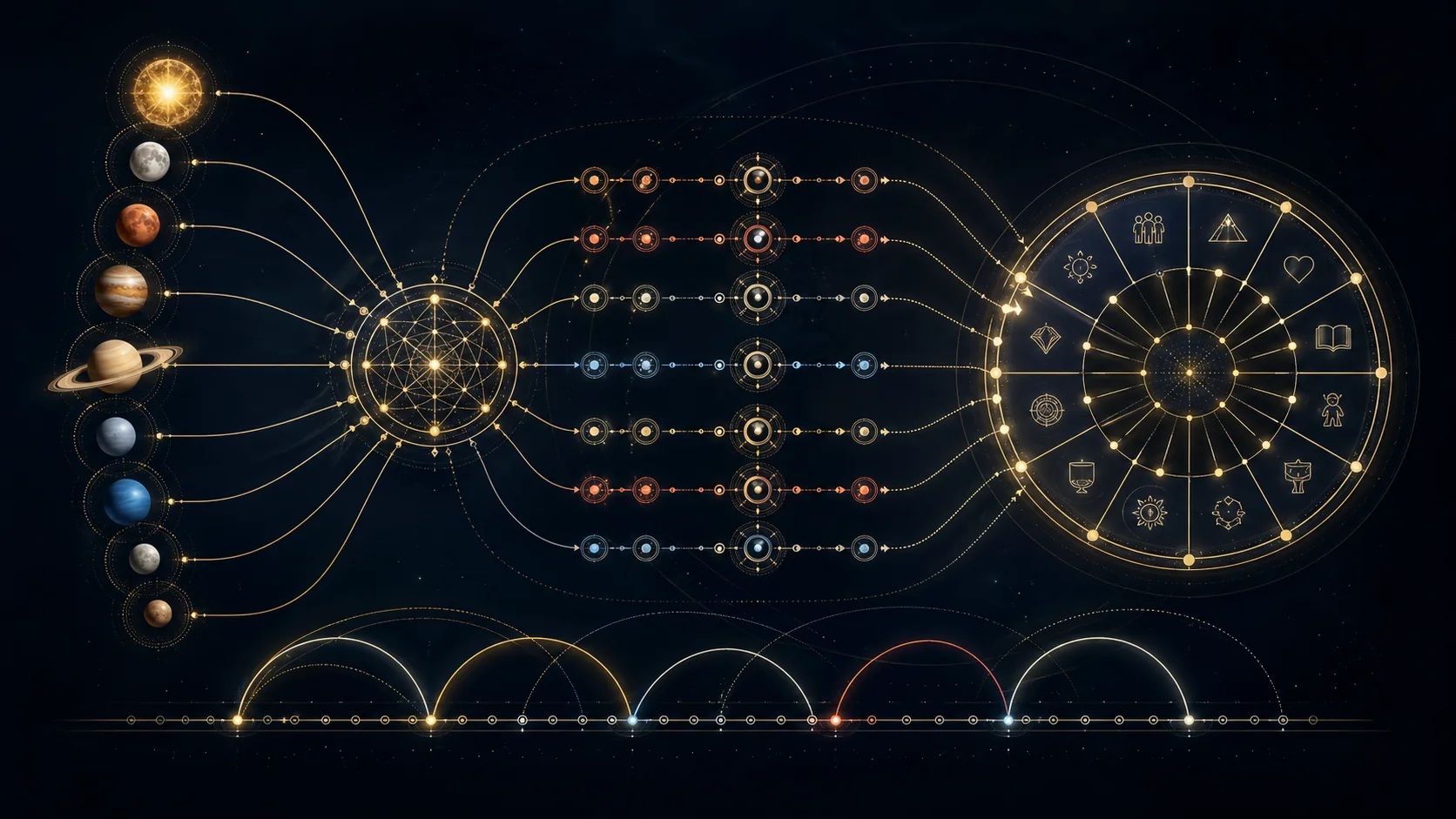
Gemstone Therapy in KP Astrology: Selecting by Sub-Lord Promise
Gemstone therapy is one of the most popular remedies in astrology because it feels simple and immediate: choose a stone, wear it, and wait for life to improve. Yet in practice, many people follow a gemstone suggestion from a general sign-based rule and later feel that something has gone wrong. They may notice more stress, more expenses, strained sleep, or a sense that the stone is “too strong.” In KP Astrology, the approach is different. Instead of selecting a gemstone only by Moon sign, Sun sign, or broad house lordship, the chart is examined through the Cuspal Sub-Lord and the promise of the relevant houses. That makes the selection more specific, more practical, and usually safer.
This is why gemstone therapy in KP Astrology is not treated as a decorative ritual. It is treated as a remedy that should be matched carefully to the chart. A gemstone can strengthen a planet, but strengthening the wrong planet can also strengthen the wrong results. That is the core idea behind sub-lord-based selection: do not ask only “Which planet is powerful?” Ask also “What is this planet promised to deliver in this chart?”
Scientific Gemstone Selection
Wearing a gemstone based on your Moon sign or sun sign can cause unexpected harm. KP Astrology uses the Cuspal Sub-Lord to select the safest and most effective gemstones.
- Wear Gem for Positive Sub-Lords: Activating planets that rule houses 1, 2, 3, 5, 9, and 11.
- Avoid Gems for 6, 8, 12 Lords: Wearing gems for these lords can amplify illnesses, losses, and obstacles.
- Gemstones as Cosmic Filters: Gemstones filter specific planetary wavelengths to balance your aura.
Many people first hear about gemstone therapy through a relative, a shopkeeper, a social media post, or a traditional astrologer who says, “Wear this stone for luck.” Sometimes that advice is given with confidence but without checking the actual promise of the chart. A person may be told to wear yellow sapphire for Jupiter simply because Jupiter is considered auspicious in general. Another person may be advised to wear blue sapphire for Saturn because Saturn is said to bring discipline and success. But life does not operate on general statements. A student, a business owner, a job seeker, and a person under family pressure can all react very differently to the same gemstone.
KP Astrology begins with the principle that a planet can only be safely strengthened if it signifies the right houses. If a planet supports growth, recognition, learning, savings, relationships, or overall progress in the chart, then its gemstone may help. If a planet is connected with disease, debt, fear, separation, or hidden losses, then intensifying that planet can make those themes louder. This is why a gemstone recommendation should not be made casually. The selection must come from the chart, not from a generic list of “good” planets.
The practical goal of gemstone therapy is not to force fate. It is to support the parts of life that are already promised positively in the horoscope. When the correct gemstone is worn for the correct planet, people often describe the result in simple terms: better concentration, smoother decisions, steadier opportunities, fewer emotional swings, or a stronger sense of confidence. These results are not magic tricks. They are best understood as the chart being supported in a direction that is already favorable.
How Gemstone Therapy Works
Gemstones are often described as optical filters, and that explanation is useful because it shows why color and mineral quality matter in the symbolic logic of astrology. In this view, a gemstone absorbs specific planetary frequencies and transmits them into the body and mind. The stone is not treated as a random ornament. It is treated as a medium that can emphasize a planetary current. If the current is useful, the person may feel energized in the right way. If the current is harmful, the same strengthening effect can become difficult.
This is why gemstone therapy is usually paired with careful astrological judgment. A stone is not simply “good” or “bad.” It is good or bad for a specific chart, at a specific time, for a specific purpose. A person whose career house is strongly supported may benefit from a gemstone linked to that career significator. A person whose chart shows weakness in health-related matters may need a remedy that does not intensify a difficult planet. A person whose finances are already under pressure may be harmed if the wrong planetary energy is strengthened.
The idea of color energy is also important in this discussion. Different gemstones are traditionally associated with different planetary vibrations and colors, and those colors are believed to interact with the body’s energetic pattern. In practical terms, people often report that they feel more focused, calmer, or more organized after wearing a correctly chosen stone. Whether someone understands that effect as spiritual, symbolic, or energetic, the key point remains the same: the benefit depends on alignment with the chart.
That is why the Gemstone Therapy approach should not be reduced to a shopping decision. It is a remedy selection process. The remedy calculator reference is useful because it reminds the reader that gemstone therapy belongs in the larger category of corrective astrological support, not impulse buying. In other words, the stone itself is only one part of the remedy. The real issue is whether the planet being strengthened deserves to be strengthened.
Consider a realistic example. A working professional feels stuck in a cycle of missed deadlines and low visibility at the office. A friend suggests wearing a gem for Mercury because Mercury is linked to communication and intelligence. That may sound reasonable, but if Mercury in the chart is tied to difficult houses, then strengthening it may not help. Another person with the same office problem may actually have a positively promising Mercury, and the same gemstone could be useful. The gemstone is the same; the chart is not. KP Astrology pays attention to the chart.
There is also a common emotional factor. When people wear a gemstone, they often expect an immediate dramatic shift. If the shift does not come quickly, they lose confidence and either remove the stone or keep changing remedies. A more grounded understanding is helpful. Gemstone therapy works best when it is selected properly, worn consistently, and matched to a chart that genuinely supports the intended outcome. It is meant to reinforce promise, not replace effort.
The Danger of Rasi-Based Gemstone Selection
Traditional astrology often recommends gemstones based on the Rasi, or Moon sign, and sometimes based on the Lagna alone. This is a broad method and can work in some cases, but it also carries a serious limitation: it assumes that a planet is beneficial simply because it is associated with a sign or ascendant. In actual charts, the same planet may own both useful and difficult houses, may be placed in a challenging star, or may carry mixed results depending on the cuspal framework.
That is where problems begin. Suppose someone is told to wear a gemstone for the Lagna Lord because the Lagna Lord is naturally important for life and vitality. In a simple reading, this sounds safe. But if that Lagna Lord is placed in the star of a planet connected to the 8th or 12th house, wearing its gemstone may activate the difficult side of that planet’s promise. Instead of helping, the stone can amplify instability, obstacles, or losses. This is not because the gemstone is “evil.” It is because the wrong planetary promise was strengthened.
A realistic example makes the point clearer. Imagine a person whose chart shows strong ambition but frequent delays in progress. A traditional suggestion may be to wear a gemstone for the ascendant lord. The person wears it faithfully for weeks and then begins to notice extra pressure at work, sleep disturbance, and unexpected expenses. In such cases, the gemstone may have strengthened a planet that was already tied to difficult results in the chart. The person did not fail the remedy; the remedy was simply mismatched.
Another example involves relationships. Someone seeking harmony in marriage may be advised to wear a gemstone for Venus because Venus is associated with love and comfort. But if Venus is linked in the chart to houses that bring conflict, separation, or emotional depletion, the result may not be improved harmony. It may instead intensify desire, dependency, or dissatisfaction. The same symbolic planet can produce different outcomes depending on how the chart is structured.
For this reason, Rasi-based gemstone selection can be too broad for serious remedial work. It may work by chance, but chance is not a reliable method when the goal is to support life decisions. KP Astrology aims to reduce guesswork by using cusp-based judgment. That gives the astrologer a more precise picture of what the chart is promising. The gemstone can then be chosen to support the positive promise rather than the general reputation of the planet.
It is also important not to overstate gemstone therapy as a cure-all. A gemstone cannot replace practical action, professional advice, or responsible decision-making. If someone has financial stress, the stone cannot substitute for budgeting. If someone has health concerns, the stone should not be treated as a substitute for appropriate care. Astrology can offer timing and remedial support, but it should not be used to make exaggerated claims. The value of KP gemstone analysis is its precision, not hype.
How KP Sub-Lord Promise Guides Gemstone Choice
The practical selection process in KP Astrology begins with the cusps most relevant to the outcome you want to support. For health and vitality, the 1st cusp is central. For career and status, the 10th cusp is important. For income, fulfillment, and gains, the 11th cusp becomes significant. The sub-lords of these cusps are examined to see what houses they signify and whether they support the desired area of life.
The idea of “promise” matters here. A planet may appear important, but if it does not promise the right outcome through its significations, then strengthening it may not help. A gemstone should be worn for a planet that signifies positive houses such as 1, 2, 3, 5, 9, and 11, depending on the purpose and the chart. These houses are commonly associated with survival, resources, effort, intelligence, fortune, and gains. Strengthening such a planet can support constructive movement.
By contrast, if a planet is linked to 6, 8, or 12, caution is needed. These houses are associated with conflict, crisis, loss, or expenditure. Wearing a gemstone for such a planet may intensify the very themes the person is trying to avoid. This is why KP gemstone selection is not based on popularity or aesthetic appeal. A stone may be beautiful and expensive and still be unsuitable for a particular chart.
To make the process practical, imagine a job seeker with repeated interview failures. One reading may show that the 10th cusp is supported by a planet that also signifies the 11th house. In that case, a gemstone for that planet may be helpful because it strengthens career and gain potential. Another job seeker may have a 10th cusp sub-lord that is tied to the 6th house, suggesting struggle and competition. For that person, a gemstone chosen without checking the sub-lord could intensify tension rather than opportunity.
Or take a small business owner whose goal is steady profit. A planet connected with the 2nd and 11th houses may be a logical candidate if the chart supports it. Wearing the gemstone may not create money from nowhere, but it can support smoother decision-making, better consistency, and the ability to capitalize on opportunities. This is the practical meaning of a favorable sub-lord promise: the chart already contains an opening, and the remedy helps activate it.
The same logic applies to personal confidence. Some people seek gemstones because they feel mentally scattered or emotionally heavy. If the 1st cusp sub-lord supports strength and resilience, a gemstone may help stabilize their sense of self. If it does not, then the remedy may be inappropriate. That is why sub-lord analysis gives a more individualized answer than a general rule based on sign position.
In a real consultation setting, this method often prevents unnecessary mistakes. A person may arrive convinced that a famous gemstone is their solution. After cusp analysis, the recommendation may turn out to be a different planet, a different stone, or no gemstone at all. That can feel disappointing at first, but it is usually more useful than following a fashionable remedy that does not fit the chart. Precision is a form of protection.
What Makes a Gemstone Recommendation Safer
A safer recommendation begins with a specific question. Is the goal health, career, money, marriage, education, or general stability? Once the goal is clear, the relevant cusps are checked. Then the sub-lord is examined to see whether it signifies supportive houses or difficult ones. Only after that is the gemstone considered. This order matters because it keeps the remedy tied to the outcome.
There are a few practical signs that a gemstone decision may be too loose or too enthusiastic. One sign is when the same stone is recommended to nearly everyone. Another is when the advice is based only on a sun sign, moon sign, or ascendant without examining cusp promise. A third is when the explanation sounds grand but does not connect to the real life issue. For example, telling a struggling employee to wear a stone for general luck may sound attractive, but it does not answer whether that planet actually supports the 10th or 11th cusp.
KP Astrology also encourages patience in evaluation. A gemstone should be worn with observation. If the remedy is appropriate, the person may notice gradual improvement in the specific area it was chosen for. If things seem to worsen, the first question should be whether the selection was correct, not whether the person lacked faith. Correct selection is more important than emotional certainty.
Another practical point is that the stone should not be chosen from appearance alone. People often select gemstones because they like the color, the shine, or the prestige associated with a particular stone. But a gemstone is not a fashion item in remedial astrology. Its purpose is symbolic and energetic support. The stone must match the planet, and the planet must match the chart.
It is also wise to keep expectations realistic. A gemstone may help a person move through opportunities more smoothly, but it does not guarantee a specific outcome in isolation. For example, someone may wear a favorable gemstone and still need to prepare for interviews, negotiate carefully, or improve their skills. The stone may support the right conditions, but it does not replace action. In that sense, gemstone therapy is best understood as reinforcement.
For people who want to explore remedies more systematically, the Gemstone Therapy reference can be a useful starting point because it places gemstone selection inside a broader remedial framework. That helps prevent the common mistake of treating every gemstone as universally beneficial. In astrology, universality is rare. Chart-specific judgment is the real foundation.
Practical Examples of Sub-Lord-Based Gemstone Use
Consider a student preparing for competitive exams. The student feels distracted, underconfident, and unable to retain material. A traditional suggestion might be to wear a stone for Jupiter because Jupiter is associated with wisdom. But KP analysis checks whether the 1st and 9th or 5th indicators are actually supportive in the chart. If the sub-lord of the relevant cusp signifies positive houses, a gemstone may help reinforce study discipline and confidence. If not, the student may be better served by another remedy or by no gemstone at all.
Now consider a person rebuilding life after job loss. They may be eager to “do something” and could be tempted to buy a popular gemstone immediately. But a more careful reading may show that the 6th house theme of competition and service is relevant, or that the 10th cusp sub-lord is under strain. In one case, the remedy may strengthen the ability to secure employment. In another, the same stone could increase frustration. The difference is not in the person’s hope; it is in the chart’s promise.
A relationship example is equally instructive. Someone may ask for a gemstone to improve marriage prospects. If the chart supports partnership through the relevant houses, the correct stone may help the person appear more confident, attract better opportunities, and act with more steadiness. But if the same gemstone is tied to conflictual significations, it may not improve the situation. In fact, it may make emotional tendencies sharper. Sub-lord analysis avoids making relationship remedies generic or sentimental.
Business cases also show why this method matters. An entrepreneur often wants growth, but growth without stability can become chaos. A gemstone chosen for a favorable 11th cusp may support profits and networks. Yet if another planet in the chart signifies loss or overextension, wearing its gemstone could encourage the wrong kind of expansion. The business may feel busier but not healthier. Again, the chart decides which energy should be strengthened.
These examples show a common theme: gemstone therapy is most useful when it is matched to the exact life area that needs support. A person does not need “the best stone.” They need the right stone for the right promise. That is the practical strength of KP Astrology.
Using Gemstone Therapy Responsibly
Responsible use begins with clarity. Before choosing a gemstone, identify the life area you actually want to improve. If the issue is health, do not pick a stone because a friend had success with it in business. If the issue is income, do not choose a gemstone only because it is associated with wisdom or spirituality. Relevance matters.
Responsible use also means respecting limits. Gemstones are remedies, not guarantees. They are best used when the chart shows promise and the selected planet is truly supportive. They should not be worn as a substitute for attention, planning, or good habits. A gemstone may support the flow of opportunities, but it cannot make poor choices productive.
Another part of responsible use is avoiding multiple strong remedies at once without understanding the chart. People sometimes wear several stones because they want faster results. That can create confusion, both practically and symbolically. It becomes hard to know what is helping and what is not. A focused approach is often better than an aggressive one.
If a person is unsure, consultation is valuable. A careful astrologer can assess the cusps, identify the relevant sub-lords, and explain why a specific gemstone is or is not appropriate. That conversation is often more useful than buying a stone from a general recommendation. It saves money, reduces confusion, and increases the chance that the remedy is actually aligned with the chart.
Most importantly, gemstone therapy should be understood as part of a broader remedial mindset. It is one tool among many, and it is most effective when the astrological basis is clear. When selected through the Cuspal Sub-Lord, the gemstone is no longer just a tradition or a trend. It becomes a targeted support aligned with the promise of the horoscope.
That is the real value of KP gemstone therapy. It respects the uniqueness of each chart, avoids the risk of generic sign-based advice, and focuses on strengthening what is genuinely favorable. When used well, it can be a practical and meaningful remedy. When used casually, it can become an expensive guess. The difference lies in the method.
Explore More from KP Astro Academy
Explore More from KP Astro Academy
Related Tools & Features
- Childbirth Selection Tool
- Birth Time Rectification Tool
- Ruling Planets Calculator
- Marriage Matchmaking Calculator
- Career & Education Finder
- Transit Search & Prediction
- Planetary Remedies Finder
- Free KP Kundli
- Daily Panchang Calculator
- Vedic Ephemeris Calculator
- Hora Chart Calculator
- Ashtak Varga Calculator
- KP Event Finder
- Personal Muhurat Finder
- Cusp Promise Calculator
- Bhav & Dasa Phal Predictions
- Dasha Promise Calculator
- KP Astrology Consultation
Further Reading
- Structured Kp Api Response Format For Developers
- Free Astrology Readings in KP Astrology (An Ethical Astrology Perspective by Navin)
- Childbirth in KP Astrology: Promise, Delay, Denial, and Hope
- 🌿 Practical Remedies to Fix Any Trouble in Life: The KP Astrology Way
- Cusp Promise Api For Advanced Astrologers
- Birth Time Rectification Api For Astrology Products
- Education and Professional Success: The Role of 4th and 10th Houses in KP Astrology
- Astrology Isn’t Meant to Comfort You
- How to Practice KP Astrology Without Fooling Yourself
- Gemstone Remedy Ecommerce Integration
- Astrology Pdf Report Generator Api
- What to Expect in a Professional KP Astrology Reading